



1- Editorial Board
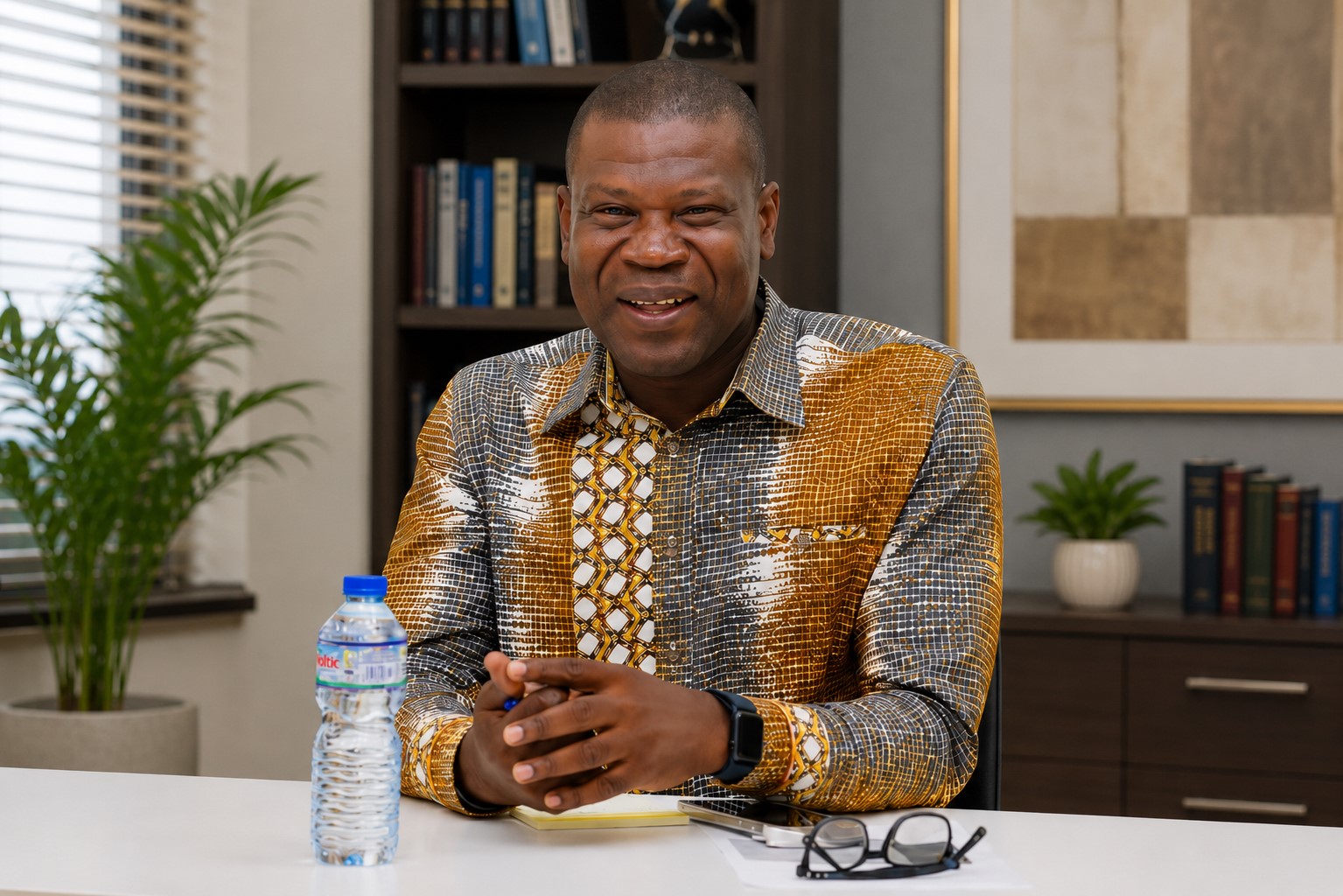
Prof. Komla M. Avono
(University of Lome, Togo)
Scientific Director & Chief Editor
Prof. Komla M. Avono is Full Professor of American Studies at the University of Lomé, Togo, where he teaches and researches American literature, African American cultural studies, identity representations, race, gender, social inequalities, and the intersections between literature, society, and public policy. He holds a doctorate in American Cultural and Literary Studies and completed a postdoctoral fellowship in Ethnic Studies at the University of Nebraska–Lincoln, USA. A Fulbright Scholar and alumnus of the International Visitor Leadership Program, Professor Avono is also the author of Reading Multiple Consciousness: Exploring the Complexity of Postmodern Identity, published by Lexington Books/Bloomsbury in 2024. In addition to his scholarly and editorial work, he serves as Director of the International Language Center at the University of Lomé and as Scientific Director of the international Master’s program in Conference Interpretation, developed with the support of the United Nations and other international organizations. His academic leadership combines research, editorial governance, international cooperation, language education, and socially engaged scholarship.
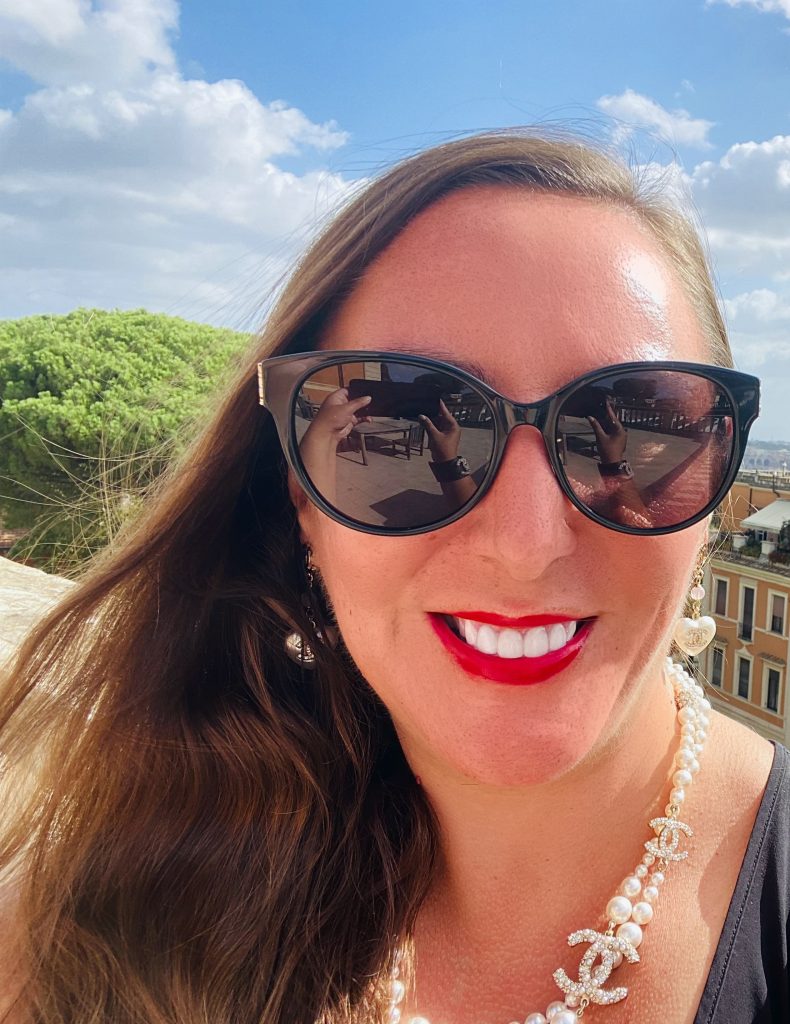
Kristina M. Darling
(State University of New York at Buffalo, NY, USA)
Associate Chief Editor
Kristina Marie Darling, PhD, is a poet, essayist, critic, editor, publisher, and literary scholar. She holds a doctorate from the Poetics Program at SUNY-Buffalo and terminal degrees in writing from Columbia University and New York University’s Paris Writing Program. A former Visiting Scholar at the University of Cambridge, she is the author of forty books spanning poetry, criticism, essays, feminist poetics, and collaborative writing, with works published or forthcoming from major presses including Bloomsbury, Clemson University Press, Liverpool University Press, Black Ocean, Black Lawrence Press, Persea Books, Dzanc Books, C&R Press, Salmon Poetry, and Tupelo Press. Her poems and essays have appeared in leading literary venues such as The Harvard Review, Poets.org, The New York Times, Poets & Writers, The Kenyon Review, The American Poetry Review, Lit Hub, Ploughshares, and The Iowa Review. She has received numerous awards, grants, fellowships, and international residencies, including honors from Yaddo, the American Academy in Rome, the Whiting Foundation, the Academy of American Poets, the Elizabeth George Foundation, and the Fulbright Program. She serves as Editor-in-Chief of Tupelo Press and Tupelo Quarterly and is the founder of Penelope Coaching & Consulting.
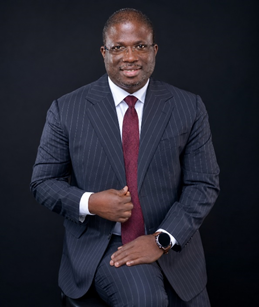
Komi Begedou
(University of Lomé, Togo)
Editorial Director
Komi Begedou, PhD, is an Associate Professor of American Studies in the Department of English at the Université de Lomé, Togo. His teaching and research focus on American literature and culture, with particular interests in African American studies, gender studies, cultural studies, and environmental studies. He participated in the Study of the U.S. Institutes (SUSI) program at New York University in 2010 and served as a Fulbright Visiting Scholar at Texas State University from 2014 to 2015. He has published more than 35 peer-reviewed articles, three critical books, and two book chapters in Twentieth-Century and Contemporary American Literature in Context. He is an active member of the Anglophone Studies Research Team at the Université de Lomé, where he contributes to scholarly research, editorial work, and collaborative academic initiatives in English and American studies. From 2018 to 2019, he served as Director of University Libraries at the Université de Lomé. Since 2019, he has been Deputy Director of the West African Science Service Centre on Climate Change and Adapted Land Use (WASCAL), where he supports research coordination, training programs, and institutional partnerships on climate change, sustainable land use, and development in West Africa.
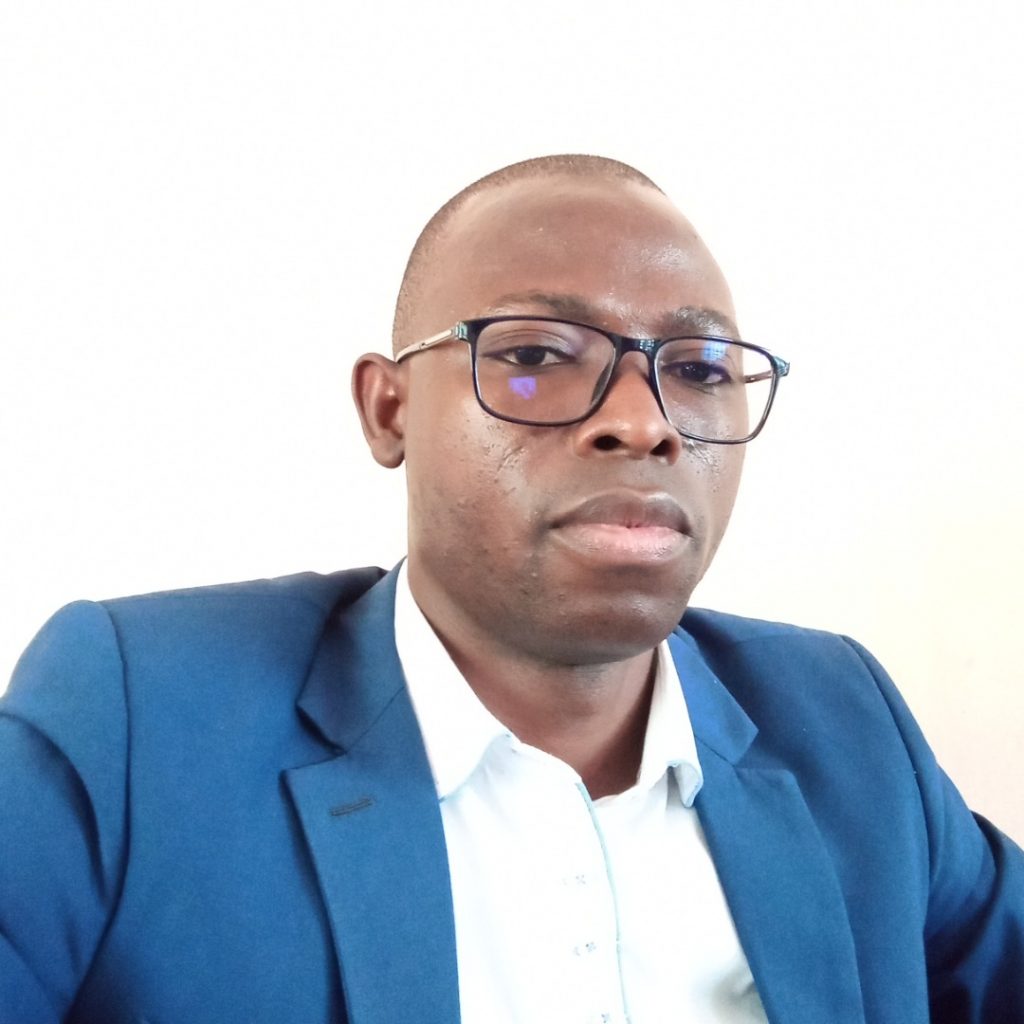
Palakyèm Mouzou
(University of Kara, Togo)
Executive Editorial Director
Palakyem (Stephen) Mouzou is an Associate Professor of Descriptive Linguistics at the University of Kara, Togo. With fourteen years of experience in higher education, research, scientific communication, and academic administration, he has developed strong expertise in descriptive and applied linguistics, bilingual education, neology, semantic variation, lexicography, and terminology planning. He currently serves as Adviser to the President of the University of Kara, in charge of the President’s Office and strategic intelligence, and is Vice-President of the POCLANDE International Network in France. A Fulbright Scholar for 2023/2024, Professor Mouzou has also coordinated communication and public relations activities at the University of Kara since 2018. He is a founding member of the Laboratory for Research and Studies in Linguistics, Psychology and Societies and supports the AUF’s Francophone Employability Centres in Togo. His work promotes education, international cooperation, youth employability, human rights, and linguistics for development.
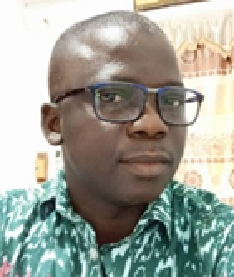
Nouhr-dine D. Akondo
(University of Lomé, Togo)
Chief Editorial Assistant
Nouhr-Dine D. Akondo is a poet, playwright, and Associate Professor of English Literature at Université de Lomé, Togo. His research is on drama and poetry and examines postcolonial issues, the image of the black man in English Literature, and representations of science, technology and Artificial Intelligence in Literature. He has published and co-published poems. His poems have been published in the Best New African Poetry Anthology 2017 in Zimbabwe, and in Kenya in COVID-19 DIARY: World’s Anthology of Poetry (2020), and I Can’t Breathe: A Poetic Anthology of Fresh Air (2022). As a playwright, he is also a director and has two productions to his credit, notably Un piège sans Fond (at Festilarts in 2017) and “When we go” in 2022, and has been a partner with Afropoésie since 2016.
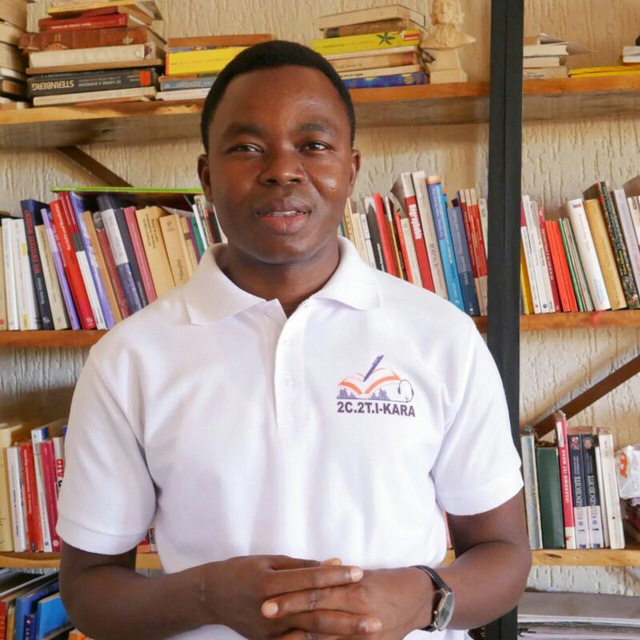
Mabandine Djagri Temoukale
(University of Kara, Togo)
Editorial Assistant
Dr. Mabandine Djagri T. is an Associate Professor of English Literature at Kara University, Togo. Since 2023, He has been appointed Head of the doctoral program in Human Sciences and Society, Letters, Languages and Arts (SHSLLA). Beyond academia, Dr. Djagri T. is the founder and Director General of the African Life Coaching Academy (ALCA), and the Managing Director of the Center for Consulting, Training, Translating, and Interpreting (2C2TI). His 2021-2022 Fulbright Visiting Scholar program led him to George Washington University where he conducted research on doctoral supervision. Dr. Djagri T. is a certified Life Coach from the Certified Life Coaching Institute (USA). He published more than 20 articles on English literature. His research interests cover science-fiction, techno-criticism, eugenics, Victorian and modernist literature.
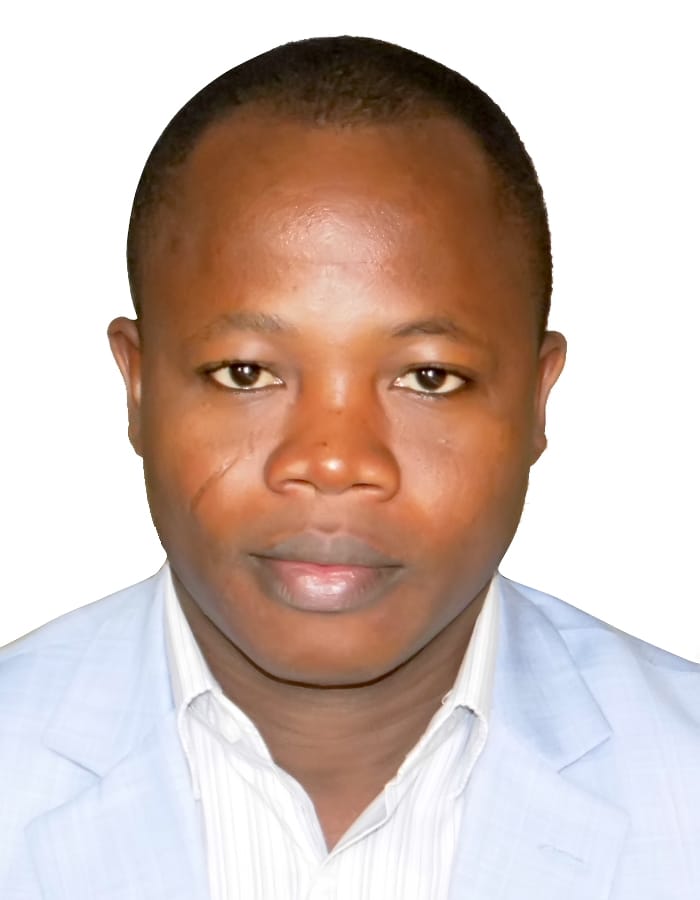
Essohouna Tanang
(University of Kara, Togo)
Editorial Assistant
Essohouna Tanang is an Associate Professor of Contemporary History and a lecturer-researcher at the Faculty of Arts and Humanities (FLESH) of the University of Kara in Togo. A specialist in political history and international relations, his research focuses on three main areas: peace, security, insecurity, and intercommunal conflicts in Togo; migration and national and sub-regional integration; and Togo’s political history as well as its bilateral and multilateral cooperation. He is also a member of the International Research Centre for the Prevention of Child Soldiers (CIRPES) in Dakhla, Morocco. Author and co-author of more than twenty scientific articles and co-editor of a book, he has participated in several international scientific conferences in Togo, Benin, Burkina Faso, Cameroon, Côte d’Ivoire, Ghana, and France.
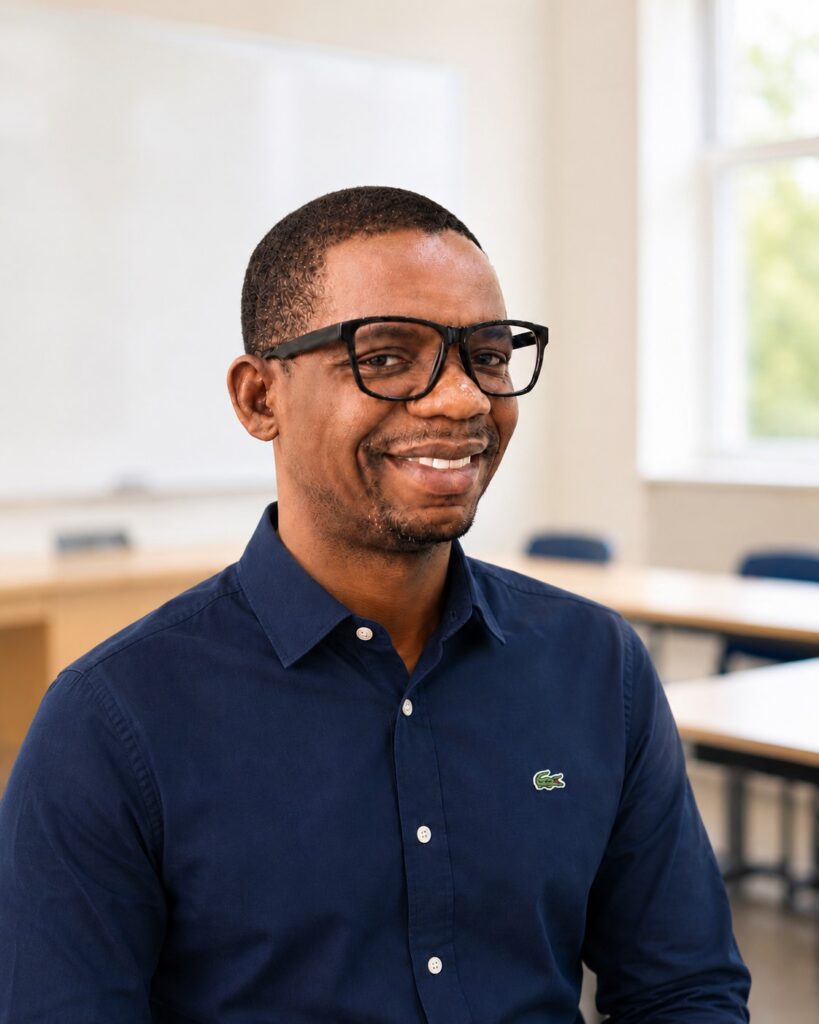
Fo-Koku D. Woameno
(University of Lomé, Togo)
Managing Editor
Fo-Koku D. Woameno, PhD, is a young scholar of Anglophone Studies at the University of Lomé, Togo, and a member of the Anglophone Studies Research Team. His research and teaching focus on American literature and civilization, with broader interests in peace and conflict studies, literature and ethics, and the role of the humanities in social transformation. His work examines how literary texts engage questions of sustainable development, war, conscience, responsibility, and the human condition, with particular attention to Ernest Hemingway and Nathaniel Hawthorne. He has published articles including “Literature as Leverage to Peace and Sustainable Development in the African Context” (2023), “Ernest Hemingway’s A Farewell to Arms: War Personified as an Authoritarian Figure” (2022), “The Devil at Church: Miller’s The Crucible and Hawthorne’s The Scarlet Letter” (2019), and “Conscience and Responsibility in Nathaniel Hawthorne’s The Scarlet Letter” (2018). He is also a registered translator and interpreter in Ewe, English, and French.

Komi Amedokpo
(University of Lomé, Togo)
Production Editor
Dr. Komi Amedokpo is a scholar, English-language educator, and translator/interpreter. He holds a Ph.D. in American Studies from the University of Lomé, where his research focused on John Ashbery’s poetics, reality, and representation of nature. His scholarly interests include American Studies, comparative literature, migration, intercultural communication, applied linguistics, translation and interpretation, education for sustainable development, and global citizenship. With over ten years of experience in secondary and higher education, he teaches at the University of Lomé, and other institutions. His teaching covers literature, grammar, academic writing, business English, technical English, and English for Specific Purposes. He has also published on John Ashbery, postmodernist aesthetics, and ecocritical approaches to American literature.
2- Advisory Board
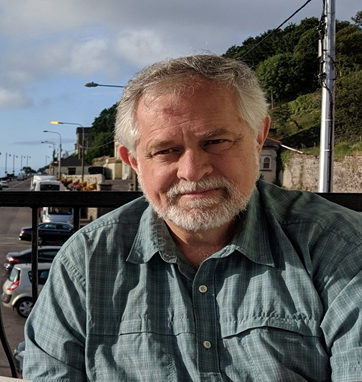
Steve Wilson
Texas State University, United States
Professor Steve Wilson is a poet, scholar, and Professor of English and Creative Writing at Texas State University. He has published hundreds of poems in journals and anthologies and is the author of six poetry collections, including Complicity. His scholarly work includes studies of twentieth-century U.S. literature and Irish literature, and his achievements in poetry and the humanities have earned him membership in the Texas Institute of Letters. A three-time Fulbright Scholar in U.S. Cultural Studies, with appointments in Romania and Slovenia, he has also taught in England and Malaysia and has served for twenty-five years as co-director of the Texas State in Ireland–Cork program.
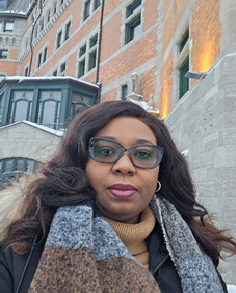
Thérèse Essohanam Karoué
Université Laval, Quebec, Canada
Dr. Thérèse Essohanam Karoué is a linguist, educator, humanitarian-development specialist, and advocate for inclusive knowledge production. She holds a doctorate in General Linguistics from the University of Lomé, a master’s degree in International Development and Humanitarian Action from Université Laval, and a certificate in International Studies from Université TÉLUQ. Her work brings together local-language research, higher education, humanitarian management, digital innovation, and community-centered development. She has taught at the University of Lomé and the University of Kara and has contributed to language-assessment projects with the Agence universitaire de la Francophonie, France Éducation international, and the Agence Française de Développement, including the development of Apprendre Ev@lang.
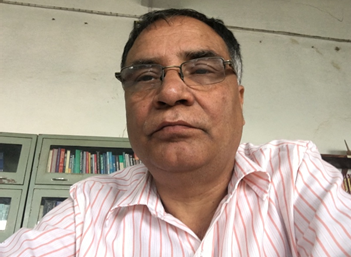
Bal Mukunda Bhandari
Tribhuyan University, Nepal
Dr. Bal Mukunda Bhandari is Professor of English Education in Nepal. His expertise covers teacher professional development, language pedagogy, curriculum design, academic writing, language assessment, language policy, and quality assurance. He has authored, co-authored, or edited more than one hundred textbooks and published extensively in his field. He has held major academic leadership positions at Tribhuvan University, including Executive Director of the Centre for International Relations and Director of the Open and Distance Education Centre. He has also contributed to curriculum development under Nepal’s Ministry of Education and has supervised more than twenty-five Ph.D. dissertations.
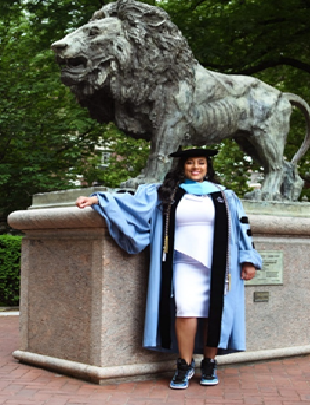
Jacqueline M. Cofield
Hunter College school of Education, City University of New York, United States
Dr. Jacqueline M. Cofield is an interdisciplinary scholar, educator, arts-based researcher, and cultural consultant whose work explores artistic practice, museum pedagogy, African diasporic visual culture, and knowledge production. She teaches at Hunter College School of Education, serves as a Joan Tisch Teaching Fellow at the Whitney Museum of American Art, and is Principal of CulturED Arts Consulting. A Fulbright Specialist and Gordon Research Affiliate at Teachers College, Columbia University, she has developed sustained collaborations with major cultural and educational institutions in the United States, West Africa, Cuba, and UNESCO Headquarters in Paris. During her Fulbright Specialist residency at the University of Lomé, she advanced digital humanities curriculum and led workshops on artificial intelligence, African cultural memory, and interdisciplinary pedagogy.
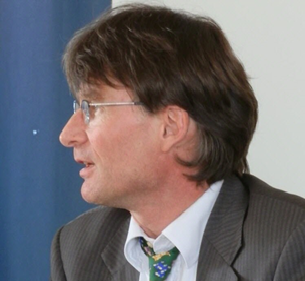
Sämi Ludwig
Université de Haute-Alsace Mulhouse,France/Switzerland
Professor Sämi Ludwig is a scholar of American literature and culture at the University of Upper Alsace in Mulhouse, France. Educated at the University of Bern, Switzerland, he has published widely in American literary studies, including work in REAL, Amerikastudien, Mosaic, The Cambridge Companion to Toni Morrison, African American Review, Journal of Asian American Studies, and Revue française d’études américaines. His major works include Concrete Language: Intercultural Communication in Maxine Hong Kingston and Ishmael Reed, Cognitive Realism: The Pragmatist Paradigm in American Literary Realism, and Resurrecting the First Great American Play: Imperial Politics and Colonial Ambitions in Frontier Detroit. He co-edits Contributions to Asian American Literary Studies and is a Fellow of the Salzburg Global Seminar.

Asabe W. Poloma
Brown University, United States
Dr. Asabe W. Poloma is an international higher-education scholar and senior academic leader whose research focuses on African higher education, decolonial and Indigenous knowledge production, and global academic networks. As Associate Provost for Global Engagement at Brown University, she leads initiatives that connect research, teaching, and institutional partnership development across local and global contexts. Her scholarship examines colonial legacies in African knowledge systems, transnational collaboration between African and U.S. universities, HBCU–Africa exchanges, and Africa’s role in global security and development. In 2024, she led a U.S. Embassy-supported partnership project involving the University of Lomé, the University of Kara, and Brown University, with a focus on institutional capacity-building and global engagement.
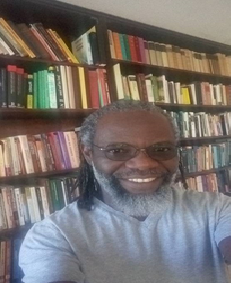
Augustine Agwuele
Texas State University, United States
Professor Augustine Agwuele is a linguist and African Studies scholar whose research examines language, sociocultural life, and the communicative practices through which individuals and communities negotiate meaning. His work engages sociolinguistics, cultural and social dynamics, African languages and cultures, popular expression, social media, film, music, performance, and religion across Africa and the African diaspora. His current research interests include language and health, language and religion, and language and social mobility. Through this interdisciplinary profile, he contributes to broader conversations on language as a central force in cultural identity, social interaction, and everyday life.
3- Peer Reviewers
Ablam Donald Amouzou (Université Julius Nyéréré de Kankan, Guinée) Abou Napon (Université Joseph Ki-Zerbo, Burkina-Faso)
Akue Adotevi Mawusse Kpakpo (Université de Lomé, Togo)
Alou Keita (Université de Dédougou, Burkina-Faso)
Assogba Guézéré (Université de Kara, Togo)
Bernard Kabore (Université Joseph Ki-Zerbo, Burkina- Faso)
Cheick Ouédraogo (Université Joseph Ki-Zerbo, Burkina-Faso)
Ferdinand Kpohoue (Université d’Abomey-Calavi, Benin)
Gbati Napo (Université de Lomé, Togo)
Ignace D. Allaba (Université Alassane Ouattara, Côte d’Ivoire)
Jean-Philippe Zouogbo (Université de Paris, France)
Kokou Azamédé (Université de Lomé, Togo)
Komla Messan Nubukpo (Université de Lomé, Togo)
Kouadio Germain N’Guessan (Université Félix Houphouët-Boigny, Côte d’Ivoire)
Léonard Koussouhon (Université d’Abomey-Calavi, Bénin)
Mensah Tokpoton (Université d’Abomey-Calavi, Bénin)
Momar Cisse (Université Cheikh Anta Diop, Sénégal)
Moufoutao Adjéran (Université d’Abomey-Calavi, Bénin)
Nakpane Labanté (Université de Kara, Togo)
Sènakpon Adelphe Fortuné Azon (Université d’Abomey-Calavi, Bénin)
Tina Fakhrid-Deen (Oakton College, Des Plaines, IL, USA)
Yves K. Sokémawu (Université de Lomé, Togo)